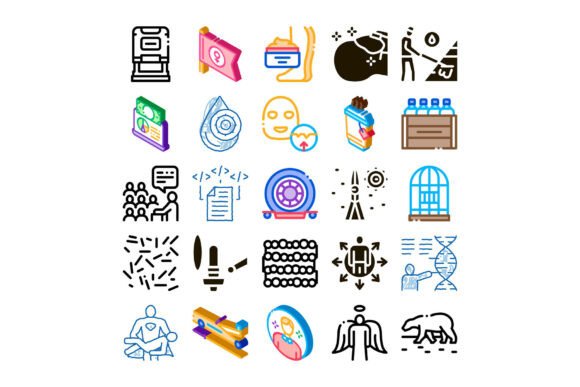
Diverse Collection of Concepts and Objects: A Visual Toolbox for Designers and Creators
What It Is and Why It Matters
A Diverse Collection of Concepts and Objects isn’t just a library of images or symbols — it’s a versatile visual resource that spans themes, industries, and ideas. From abstract symbols to tangible objects, this collection brings together a wide array of visual elements that designers, marketers, educators, and developers use to communicate effectively. Whether you're building a website, designing an app interface, or crafting a presentation, having access to a broad visual vocabulary helps you convey complex ideas quickly and clearly.
Real-World Applications Across Industries
One of the most powerful aspects of a Diverse Collection of Concepts and Objects is its adaptability. Here's how different industries and professionals benefit from it:
- Web and UI Designers use icons and visual metaphors to guide users through digital experiences. For example, a shopping cart icon represents a purchase process, while a magnifying glass symbolizes search functionality.
- Educators and Trainers leverage visual elements to simplify learning materials. A biology teacher might use anatomical icons to explain body systems, while a financial literacy course could use money-related symbols to illustrate budgeting concepts.
- Marketing Teams incorporate thematic visuals to support branding and storytelling. A travel brand might use airplane, beach, and map icons to evoke a sense of adventure and exploration across their campaigns.
- App Developers rely on consistent visual symbols to ensure usability. A health app might use heart, pill, and running icons to represent different features like heart rate tracking, medication reminders, and fitness routines.
Who Benefits Most from a Diverse Visual Toolkit?
Anyone who communicates through visuals can benefit from a well-curated Diverse Collection of Concepts and Objects. Here's a closer look at how different users apply it:
Graphic Designers
Designers working on branding, packaging, or editorial layouts often pull from these collections to enhance visual storytelling. A designer creating a sustainability report might use leaf, water droplet, and wind icons to reinforce environmental themes.
Content Creators
Bloggers, YouTubers, and social media managers use icons and symbols to make posts more engaging. Infographics, for example, rely heavily on visual shorthand to present data in an accessible format.
Instructional Designers
In eLearning, clarity is key. Visual elements help break down complex processes into digestible steps. A course on digital marketing might use camera, hashtag, and analytics icons to differentiate between content creation, social media, and performance tracking.
Entrepreneurs and Startups
Early-stage businesses often need to communicate quickly and cost-effectively. A startup pitching to investors might use a mix of growth, innovation, and collaboration icons to visually represent their business model and goals.
How to Choose the Right Collection for Your Needs
Not all icon sets or visual libraries are created equal. Here are some practical considerations when selecting a Diverse Collection of Concepts and Objects:
- Scalability – Make sure the icons are vector-based or available in multiple sizes so they look sharp on all devices and screen resolutions.
- Consistency – The icons should share a common style — whether flat, outline, or color — to maintain a cohesive visual language across your project.
- Licensing – Check usage rights. Some collections are free for personal use but require a license for commercial projects.
- Customization – Look for sets that allow easy color and style adjustments to match your brand palette.
- Relevance – The collection should cover the specific themes or industries you're working with. If you're designing a food delivery app, you'll need icons related to meals, delivery, and ratings.
When It Falls Short: Recognizing Limitations
While a Diverse Collection of Concepts and Objects can be incredibly useful, there are times when it may not fully meet your needs:
- Overused Symbols – Some icons become so common that they lose their impact. A lightbulb for “ideas” or a gear for “settings” might feel cliché if used without context or creativity.
- Cultural Misinterpretation – Symbols can mean different things in different cultures. For example, a thumbs-up icon is positive in many Western countries but offensive in some Middle Eastern regions.
- Lack of Specificity – If your project requires niche or highly specialized imagery — like medical diagrams or engineering schematics — a general-purpose icon set might not be detailed enough.
- Visual Clutter – Using too many icons can overwhelm your audience. Balance is key. Only use visual elements that enhance understanding or add value.
Maximizing Impact Through Smart Application
To get the most out of a Diverse Collection of Concepts and Objects, consider how you’re integrating it into your work:
- Pair with Typography – Icons work best when combined with clear, readable text. Don’t rely solely on visuals to convey meaning.
- Use in Navigation – Icons can simplify navigation menus, especially on mobile. But always test for usability — sometimes adding text labels improves clarity.
- Create Visual Hierarchies – Use size, color, and placement to emphasize important elements. For instance, a red warning icon can draw attention to a critical alert.
- Adapt for Accessibility – Ensure that color choices and contrast levels make icons readable for users with visual impairments. Adding alt text or tooltips can also help.
Final Thoughts: More Than Just Icons
A Diverse Collection of Concepts and Objects is more than a design asset — it's a communication tool that bridges language, culture, and complexity. Whether you're building a website, teaching a course, or launching a brand, the right visual elements can elevate your message and make your work more intuitive and engaging. The key is to choose thoughtfully, apply creatively, and test for clarity to ensure your visuals enhance rather than confuse.