Enhancing Design Projects with a Collection of Diverse Conceptual Vector Graphics
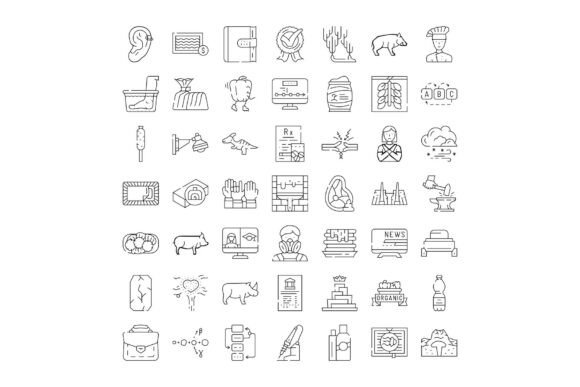
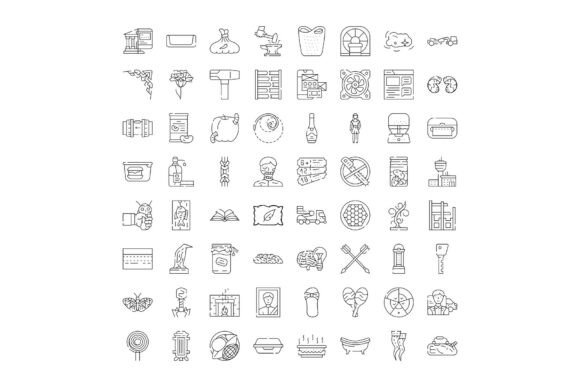
Designers across industries are constantly seeking versatile and scalable resources to bring their creative visions to life. A Collection of Diverse Conceptual Vector graphics offers a powerful solution, especially for those working in web, mobile, and presentation design. These vector sets typically include a wide range of abstract UI elements, symbols, and pictograms, available in both color and monochrome formats. Whether you're building a mobile app interface or crafting a compelling slide deck, having access to a robust library of conceptual vectors can significantly streamline your workflow and elevate the visual appeal of your projects.
Understanding the Value of Conceptual Vector Icons and Illustrations
A Collection of Diverse Conceptual Vector assets is more than just a set of images. These are purposefully designed graphics that convey ideas, processes, and functions through visual metaphors. Unlike realistic images, conceptual vectors simplify complex ideas into easily digestible visual elements. This makes them ideal for use in dashboards, infographics, user interface components, and educational materials.
Because they are vector-based, these graphics maintain their clarity at any size, making them perfect for responsive design. Whether you're scaling an icon for a mobile screen or enlarging an illustration for a billboard, you won't have to worry about pixelation or loss of quality.
Common Design Challenges That Conceptual Vectors Solve
Many designers face recurring challenges when sourcing visual assets for their projects. Some of the most common include:
- Limited visual variety: Generic icon sets can make designs feel repetitive and uninspired.
- Inflexibility: Raster images don't scale well and are difficult to modify.
- Time-consuming customization: Starting from scratch for every design element can slow down the creative process.
- Difficulty in conveying abstract ideas: Explaining intangible concepts like “collaboration,” “innovation,” or “security” through visuals can be challenging.
A well-curated Collection of Diverse Conceptual Vector graphics addresses each of these issues. With a broad selection of icons and illustrations, designers can mix and match elements to create unique, meaningful visuals that align with their project goals.
How Conceptual Vectors Improve Design Efficiency and Creativity
Using a Collection of Diverse Conceptual Vector graphics can dramatically enhance both the efficiency and creativity of a design workflow. Here’s how:
- Speed: Pre-designed vectors can be quickly integrated into projects, reducing the time spent on creating visuals from scratch.
- Customization: Since vectors are made up of paths rather than pixels, they can be easily edited in design software like Adobe Illustrator or Figma to match brand colors, styles, or layouts.
- Consistency: Using a unified set of icons and illustrations ensures visual harmony across platforms and devices.
- Conceptual clarity: Well-designed conceptual vectors communicate ideas quickly and effectively, which is especially valuable in UI/UX design and data visualization.
For example, imagine you're designing a dashboard for a SaaS product. Instead of spending hours sketching icons for settings, analytics, or notifications, you can pull from a conceptual vector collection, tweak the colors to match your brand palette, and instantly create a polished, professional interface.
Practical Applications Across Different Design Disciplines
The versatility of a Collection of Diverse Conceptual Vector makes it useful across a wide range of design fields:
- Web Design: Use abstract UI elements to enhance landing pages, explain features, or guide user interactions.
- Mobile App Development: Incorporate scalable icons and symbols that adapt to different screen sizes and resolutions.
- Presentation Design: Create visually engaging slides that simplify complex data and ideas for audiences.
- E-learning Platforms: Illustrate educational content with conceptual graphics that support comprehension and retention.
- Marketing Materials: Use icons and pictograms to add visual interest to brochures, social media graphics, and email campaigns.
Whether you're a freelance designer or part of a large creative team, integrating conceptual vectors into your design process can save time and improve the overall quality of your deliverables.
Choosing the Right Collection for Your Needs
Not all vector collections are created equal. When selecting a Collection of Diverse Conceptual Vector, consider the following factors:
- Variety: Look for sets that offer a wide range of themes and subjects to ensure you have options for different projects.
- File Formats: Ensure the collection includes editable vector formats like SVG or AI for maximum flexibility.
- Style Consistency: Choose a collection with a cohesive visual style that complements your brand or design system.
- Licensing: Check usage rights to confirm whether the collection can be used for commercial projects or requires attribution.
Many platforms offer subscription-based access to extensive vector libraries, while others sell individual packs or bundles. It’s worth investing in a high-quality collection that aligns with your design needs and scales with your future projects.
Who Benefits Most from Conceptual Vector Collections?
Different users approach the Collection of Diverse Conceptual Vector in unique ways based on their roles and goals:
- UI/UX Designers: Use icons and pictograms to create intuitive interfaces and enhance user experience.
- Graphic Designers: Incorporate conceptual elements into print and digital assets for branding and marketing.
- Developers: Integrate scalable graphics into websites and applications without worrying about resolution issues.
- Content Creators: Use illustrations to make blog posts, presentations, and social media content more engaging.
- Educators and Trainers: Visualize complex topics and improve the clarity of instructional materials.
Each of these professionals can benefit from the flexibility, scalability, and visual richness that a strong conceptual vector collection provides.
Getting Started with Conceptual Vectors in Your Projects
If you're new to using a Collection of Diverse Conceptual Vector, start by identifying the types of visuals you commonly need in your work. Do you frequently design dashboards, mobile interfaces, or marketing materials? Find a vector collection that aligns with those needs.
Once you’ve selected a collection, spend time exploring the available assets. Organize them into categories that make sense for your workflow—such as “technology,” “health,” or “business”—so you can quickly find what you need during the design process.
Don’t be afraid to customize the vectors to better suit your brand or project requirements. Adjusting colors, combining elements, or simplifying complex illustrations can help you create a unique visual identity that stands out.