Integrating Food, Nature, Business, and Technology I into Modern Workflows
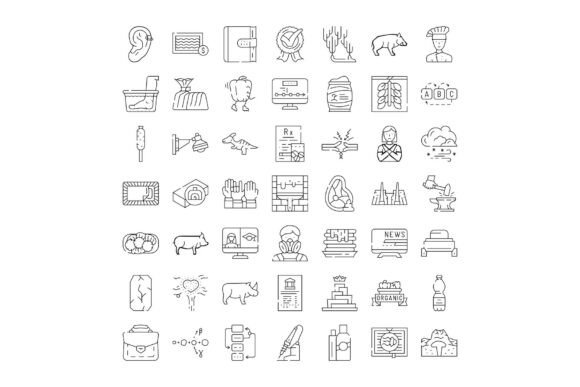
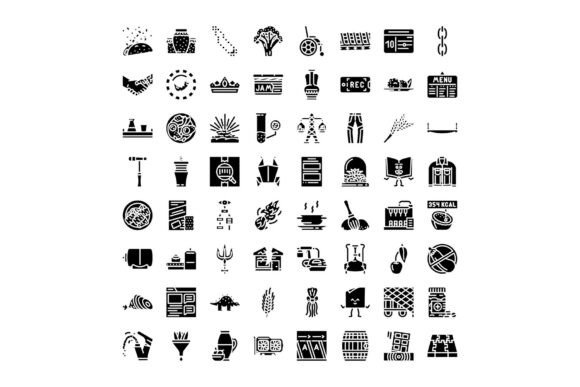
Designing intuitive user experiences often begins with selecting the right visual assets. A diverse collection of black glyph icons covering food items, natural elements, business concepts, and technology symbols provides a versatile toolkit for web and interface designers. These icons serve as more than decorative elements—they streamline communication, enhance usability, and support consistent visual language across digital platforms.
Understanding the Role of Food, Nature, Business, and Technology I
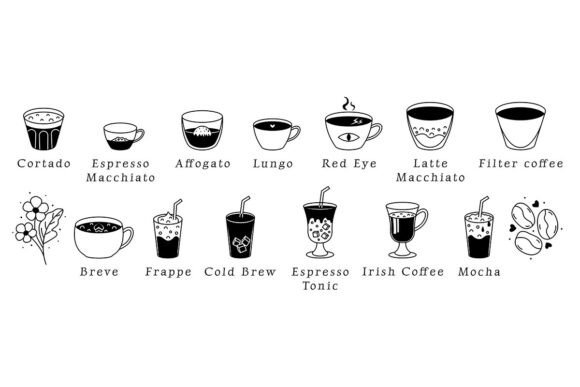
Food, Nature, Business, and Technology I refers to a curated set of minimalist black glyph icons representing a wide range of themes. These icons are commonly used in digital design to convey meaning quickly and efficiently. Whether indicating a restaurant category, a weather-related feature, a financial tool, or a tech support function, these glyphs offer clarity without overwhelming the user interface.
In the broader design process, these icons fit into the asset preparation and layout structuring stages. They are often selected during the early phases of UI/UX planning to ensure visual consistency across applications, websites, and dashboards. Their simplicity allows them to blend seamlessly with various color schemes and typographic styles, making them ideal for responsive and adaptive design projects.
Using Food, Nature, Business, and Technology I Across the Project Lifecycle
These icons can be leveraged at multiple stages of a project. Before development begins, they help define the visual language of the interface during wireframing and prototyping. During the design phase, they assist in building cohesive navigation systems and feature indicators. After launch, they continue to support user comprehension and streamline updates by maintaining recognizable visual cues.
For example, a product team working on a food delivery app might use food-related icons during the early wireframing stage to indicate menu categories. As the project moves into high-fidelity design, the same icons are refined and integrated into the final UI. In post-launch iterations, they remain a stable visual reference, ensuring continuity across new features and updates.
Integration with Other Tools and Platforms
Food, Nature, Business, and Technology I assets are typically delivered in vector formats such as SVG or as web-optimized icon fonts, making them compatible with modern design tools like Figma, Sketch, and Adobe XD. They also integrate smoothly with front-end frameworks such as React, Vue, and Bootstrap, allowing developers to implement them without additional conversion steps.
Designers often pair these icons with typography systems and color palettes to maintain brand alignment. When used alongside UI kits or design systems, they contribute to a unified visual language across different screens and platforms. Their scalability ensures that they remain crisp and legible across devices, from mobile phones to large desktop displays.
Practical Implementation Tips
To get the most out of Food, Nature, Business, and Technology I, consider the following best practices:
- Define a visual hierarchy—Use icon size, placement, and spacing to indicate importance and function.
- Maintain consistency—Stick to a single icon style (line, solid, outlined) throughout your interface.
- Optimize for accessibility—Ensure sufficient contrast between icons and background elements.
- Organize your icon library—Use naming conventions and folder structures that align with your project’s taxonomy.
For teams working on long-term projects, creating a shared icon library within design tools helps maintain consistency across contributors. This is especially valuable for larger organizations where multiple designers and developers may be working on different parts of the same product.
Workflow Examples
Here’s how a freelance web designer might incorporate these icons into a typical workflow:
- Review client branding and identify key themes (e.g., food, sustainability, or digital services).
- Select relevant icons from the Food, Nature, Business, and Technology I set that align with those themes.
- Integrate icons into a Figma prototype to test layout and usability before finalizing the design.
- Export optimized SVG files for development, ensuring compatibility with the site’s front-end framework.
- Collaborate with the developer to ensure responsive display and accessibility compliance.
This structured approach ensures that visual assets are not only aesthetically aligned but also functionally effective in guiding users through the interface.
Considerations for Long-Term Use
When selecting icon sets like Food, Nature, Business, and Technology I, it’s important to think beyond the current project. Licensing, scalability, and future-proofing should all be part of the decision-making process. Many icon sets come with commercial licenses, allowing for broad usage across different platforms and clients. However, it’s crucial to verify the specific terms to avoid legal complications later.
Additionally, consider how easily the icon set can be updated or expanded. If your project evolves to include new features or categories, having access to a broader icon library or the ability to customize existing glyphs can be a major advantage. Some design teams even create custom variations of standard icons to better match their brand identity while retaining the core visual language.
Usability and User Experience
Icons should enhance—not hinder—user comprehension. While minimalist glyph icons offer a clean aesthetic, they must also be instantly recognizable. Testing icon usability with real users can reveal whether certain symbols are ambiguous or misinterpreted. For instance, while a shopping cart icon is widely understood, more abstract symbols like a "settings" gear or a "menu" hamburger may require additional context or labeling in some interfaces.
Designers should also consider cultural differences in icon interpretation. Symbols that are intuitive in one region may not be as clear in another. This is especially relevant for global platforms that serve diverse audiences.
Conclusion: Making the Most of Visual Assets
Food, Nature, Business, and Technology I represents more than a collection of design elements—it’s a foundational resource for building intuitive, visually coherent interfaces. Whether you're designing a mobile app, a dashboard, or a content management system, integrating these icons thoughtfully can improve both the aesthetic and functional quality of your work.
By planning their use early in the design process, organizing them effectively, and testing for usability, professionals can ensure these icons contribute meaningfully to user experience. As digital design continues to evolve, having a reliable, adaptable icon set becomes an essential part of any designer’s toolkit.