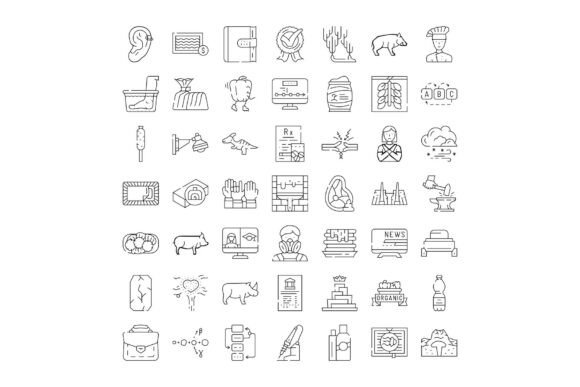
Thin Line Business Vector Icons: Clean Design for Modern Projects
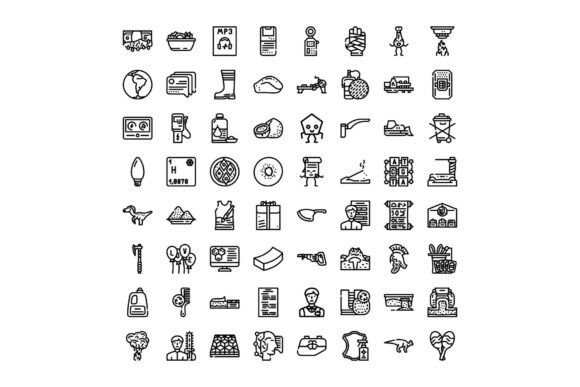
Thin Line Business Vector Icons Collecti offers a refined, minimalist approach to visual design elements. This icon set combines simplicity with functionality, making it a go-to resource for designers working across digital and print mediums. Each icon is crafted with precision, using thin, consistent strokes that convey elegance without sacrificing clarity. Whether you're building a website, designing an app, or creating an infographic, these icons provide a cohesive visual language that enhances user experience and brand consistency.
Visual Style and Design Personality
What sets Thin Line Business Vector Icons Collecti apart is its clean, modern aesthetic. The icons are minimal yet expressive, with subtle curves and sharp edges that balance warmth and professionalism. The design leans toward a contemporary, tech-friendly vibe, making it ideal for startups, digital agencies, and brands aiming for a sleek identity. The collection spans multiple categories—business, health, nature, and food—ensuring broad applicability across industries.
Each icon is scalable without loss of quality, thanks to its vector format. This flexibility supports responsive design and ensures crisp visuals across devices and resolutions. The thin line style avoids visual clutter, allowing icons to blend seamlessly into both light and dark UI themes. Their neutral tone makes them adaptable to various color schemes, supporting both playful and serious design contexts.
Where Thin Line Icons Shine
These icons are especially effective in UI/UX design, where clarity and consistency are essential. Web designers appreciate their adaptability in dashboards, landing pages, and mobile interfaces. App developers use them to create intuitive navigation systems, while infographic creators rely on them to simplify complex data visualizations. In branding projects, the icons help reinforce visual identity across marketing materials, social media graphics, and packaging design.
- Web and app interfaces
- Infographics and data visualizations
- Social media assets and marketing graphics
- Packaging and print design
- Editorial layouts and presentations
Because of their minimalism, these icons also work well in editorial design, especially when paired with clean typography. They provide visual breaks without overpowering text content, making them a smart choice for blogs, newsletters, and digital publications.
Impact on Brand Perception and Engagement
Icons play a subtle but powerful role in shaping how audiences perceive a brand. Thin Line Business Vector Icons Collecti contributes to a polished, modern aesthetic that signals professionalism and attention to detail. When used consistently, they help establish visual recognition, reinforcing brand identity across platforms.
In digital contexts, these icons improve usability by guiding users through interfaces with intuitive symbols. Their clarity supports accessibility, especially for international audiences who may rely on visual cues over text. In marketing materials, they add visual rhythm to layouts, helping key messages stand out and improving overall engagement.
From a design perspective, these icons help maintain visual hierarchy. Their uniform stroke weight and spacing ensure a cohesive look across buttons, menus, and other UI components. This consistency supports a clean, uncluttered interface that feels intuitive to users.
Choosing and Using the Icons Effectively
When selecting icons for a project, it's important to consider both aesthetic and functional needs. Thin Line Business Vector Icons Collecti offers a broad selection, but not every icon will suit every application. Start by identifying the core themes of your project—whether it's business, health, nature, or food—and select icons that align with those themes.
Test the icons in context. Place them within your design mockups to see how they interact with other elements like typography, color schemes, and layout structures. Since these are vector icons, you can easily scale and recolor them to match your brand palette. However, be mindful of contrast—especially when using them on dark backgrounds or in low-light environments.
For branding projects, consider how the icons integrate with your overall brand identity. They should complement your logo design and other visual assets rather than compete with them. If you're using them in packaging or print, ensure they maintain clarity at smaller sizes.
Pairing with Other Design Elements
Thin Line Business Vector Icons Collecti works best when paired with fonts and visuals that share its clean, modern sensibility. For digital interfaces, consider combining them with sans-serif fonts like Helvetica, Montserrat, or Lato to maintain a streamlined look. In editorial design, they pair well with serif fonts for a balanced mix of tradition and modernity.
When designing with multiple icon sets, stick to a unified style. Mixing thin line icons with bold or outlined styles can create visual confusion. Instead, use variations within the same family—such as line thickness or fill options—to add depth without disrupting consistency.
If you're using these icons in logo design or branding materials, test them in different contexts. See how they appear on business cards, websites, and promotional items. This real-world testing ensures your brand maintains a strong, recognizable presence across all touchpoints.
Practical Tips for Licensing and Usage
When working with design assets like Thin Line Business Vector Icons Collecti, always verify the licensing terms. Most premium icon sets come with commercial licenses that allow use in client projects, apps, and branded materials. However, redistribution or resale of the icons themselves is typically prohibited.
For teams, consider purchasing extended licenses if multiple designers will be using the set. Some platforms offer lifetime access or updates, which can be a cost-effective choice for ongoing projects. Always keep a copy of your license agreement for reference, especially when working on client deliverables.
Finally, organize your icon usage. Keep a library of frequently used icons to maintain consistency across projects. Use naming conventions and version control to streamline collaboration, especially in larger design teams.