Blue Toile De Jouy Easter Bunny Pattern: A Timeless Design for Versatile Use
Understanding the Blue Toile De Jouy Easter Bunny Pattern
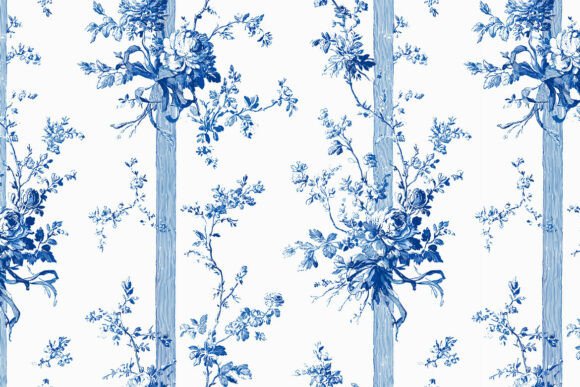
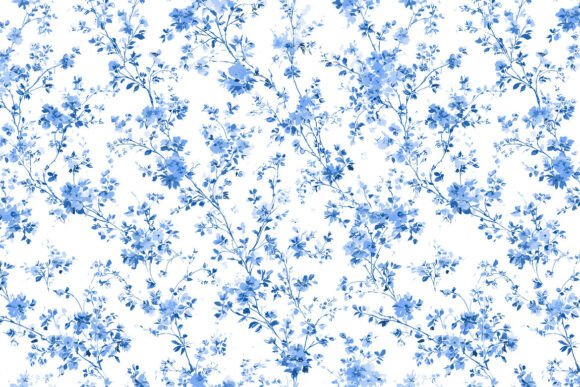
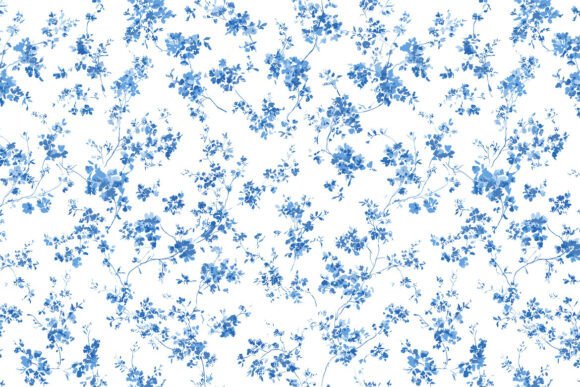
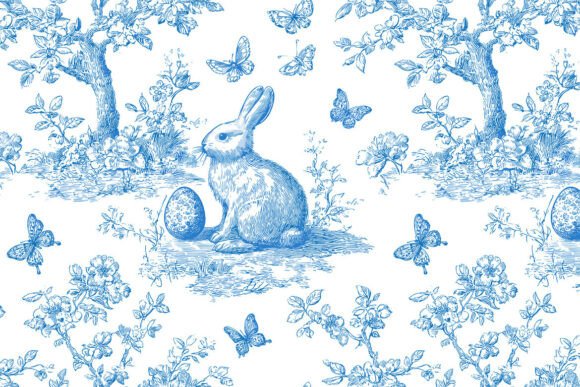
The Blue Toile De Jouy Easter Bunny Pattern is a refined, vintage-inspired design rooted in the classic French textile tradition of toile de Jouy. This specific pattern incorporates whimsical Easter elements—most notably a charming Easter bunny and decorative eggs—into a seamless layout enhanced by butterflies, delicate floral motifs, and botanical garden elements. Rendered in an elegant blue engraving style, the design evokes the look of antique fabric prints and storybook illustrations, making it ideal for a wide range of creative applications.
Created with both aesthetic appeal and practical usability in mind, this pattern is available in high-resolution formats, including a 300 DPI JPG and a fully editable EPS vector file. These formats ensure that the design remains crisp and scalable for both digital and print use, from fabric design to luxury packaging and interior decor.
Why This Pattern Appeals to Designers and Creators
The appeal of the Blue Toile De Jouy Easter Bunny Seamless Pattern lies in its ability to blend historical elegance with modern versatility. Those working in fabric design, surface pattern creation, or seasonal décor often seek motifs that are both visually engaging and adaptable across different mediums. This pattern satisfies those needs with its intricate detailing, classic color palette, and thematic relevance to spring and Easter celebrations.
- Vintage charm inspired by French toile and chinoiserie illustration
- Seamless repeat design for easy application on large surfaces
- Multifaceted use across textiles, wallpaper, stationery, and more
For designers aiming to evoke a sense of nostalgia or sophistication, this pattern offers a compelling foundation. Its storybook aesthetic and romantic undertones make it especially appealing for projects that require a touch of elegance without appearing overly modern or minimalist.
Key Benefits and Practical Considerations
One of the primary advantages of using the Blue Toile De Jouy Easter Bunny Seamless Pattern is its adaptability. Whether applied to fabric for apparel or home textiles, used in digital illustrations, or printed for stationery and invitations, the pattern retains its clarity and visual richness. The inclusion of both JPG and EPS files ensures that users can work with the format that best suits their project’s requirements.
However, like any design choice, there are considerations to keep in mind:
- Color limitations: The blue engraving style may not suit projects requiring a broader or more vibrant color palette.
- Thematic focus: While perfect for Easter and spring-themed designs, the pattern may feel out of place in non-seasonal or contemporary minimalist contexts.
- Complexity: The intricate detailing, while visually appealing, may not be suitable for very small-scale applications where detail could be lost.
Designers should also consider the target audience and intended use. For example, luxury fashion brands or boutique stationery creators may find this pattern enhances their brand’s aesthetic, while more casual or trend-driven markets might prefer simpler or bolder designs.
Best Use Cases for This Pattern
The Blue Toile De Jouy Easter Bunny Pattern excels in environments where a sense of tradition and elegance is desired. It works particularly well in the following contexts:
- Fabric design: Ideal for spring collections in apparel, nursery linens, or home décor textiles.
- Wallpaper and interior décor: Adds a romantic, vintage-inspired touch to nurseries, living rooms, or boutique interiors.
- Stationery and invitations: Perfect for Easter cards, wedding invitations, or luxury branding materials.
- Packaging design: Enhances gift wrap, luxury chocolate boxes, and seasonal product packaging.
For creators seeking to evoke a sense of nostalgia or craftsmanship, this pattern provides a strong foundation that aligns with both artistic and commercial goals.
When Alternatives May Be More Suitable
While the Blue Toile De Jouy Easter Bunny Seamless Pattern is a versatile and elegant option, there are situations where alternative designs may better serve a project’s purpose:
- Modern minimalist aesthetics: If the goal is to create a clean, contemporary look, simpler geometric or abstract patterns might be more appropriate.
- Broad color adaptability: Projects requiring color customization may benefit from patterns that are easier to recolor or have less detailed shading.
- Non-seasonal use: While the Easter bunny and egg motifs are charming, they may limit the pattern’s use outside of spring or holiday-themed applications.
Designers should also consider the technical aspects of their workflow. Those unfamiliar with vector editing may find the EPS format challenging to modify without design software or experience.
Making the Right Design Choice
Choosing whether to incorporate the Blue Toile De Jouy Easter Bunny Pattern into a project should begin with a clear understanding of both the design’s strengths and the project’s specific needs. Key questions to ask include:
- Does the design align with the intended aesthetic and emotional tone?
- Will the pattern be used in print, digital, or both—and does the file format support that?
- Is the level of detail appropriate for the intended application size and medium?
- Are there seasonal or thematic constraints that could affect long-term usability?
By answering these questions thoughtfully, designers can determine whether this pattern is a strong fit or whether a different motif might better serve their creative or commercial goals.
Conclusion
The Blue Toile De Jouy Easter Bunny Pattern offers a sophisticated, timeless design that bridges the gap between historical artistry and modern design needs. Its seamless format, refined color palette, and intricate detailing make it a valuable asset for fabric, stationery, and interior designers alike. However, as with any design element, its suitability depends on the specific context and goals of the project at hand.
For those seeking to infuse their work with a sense of elegance and seasonal charm, this pattern provides a compelling option. But for projects requiring broader adaptability or minimalistic simplicity, exploring alternative motifs may yield better results. Ultimately, the decision should reflect both the creative vision and the practical demands of the design task.